Vivian Maier
Unseen Work
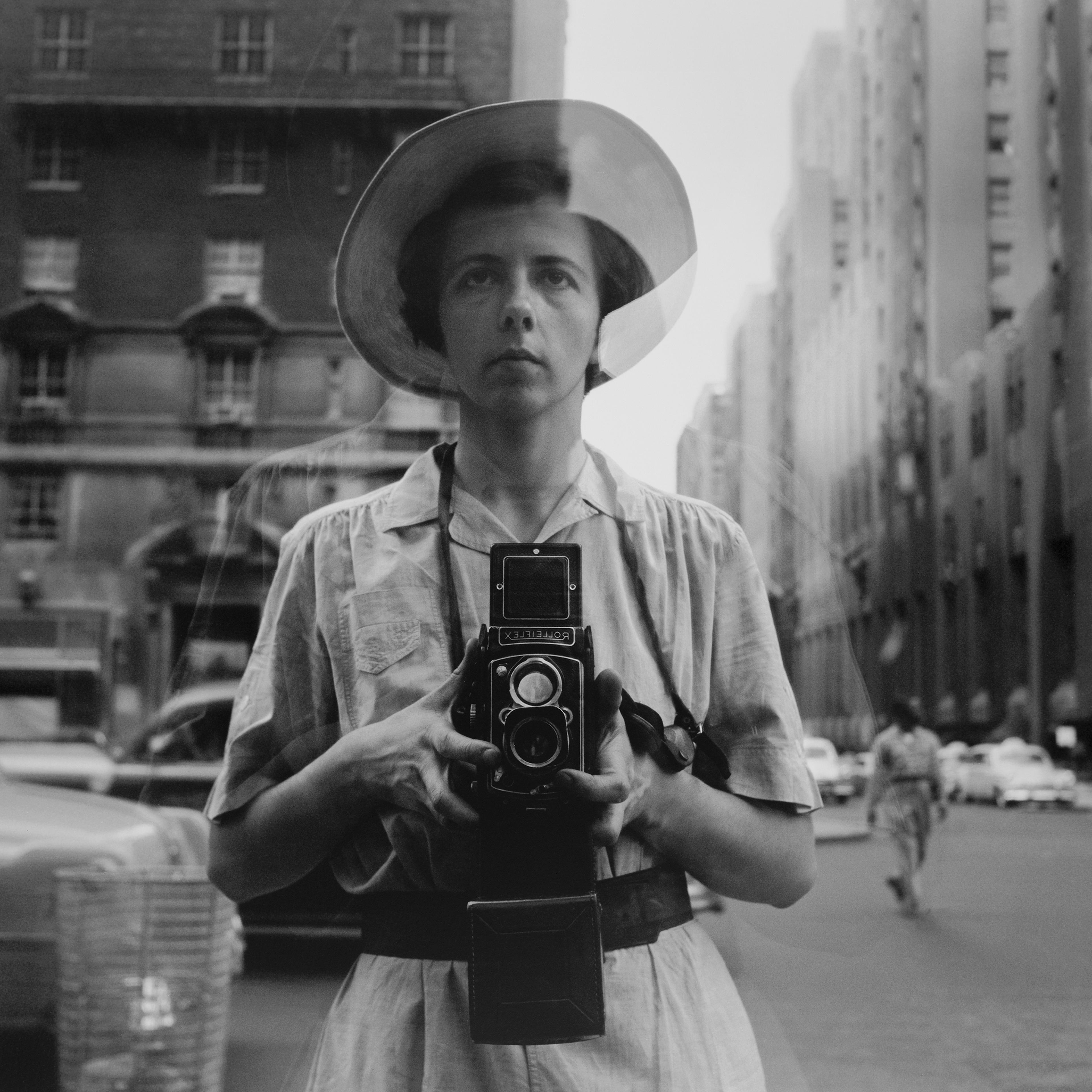
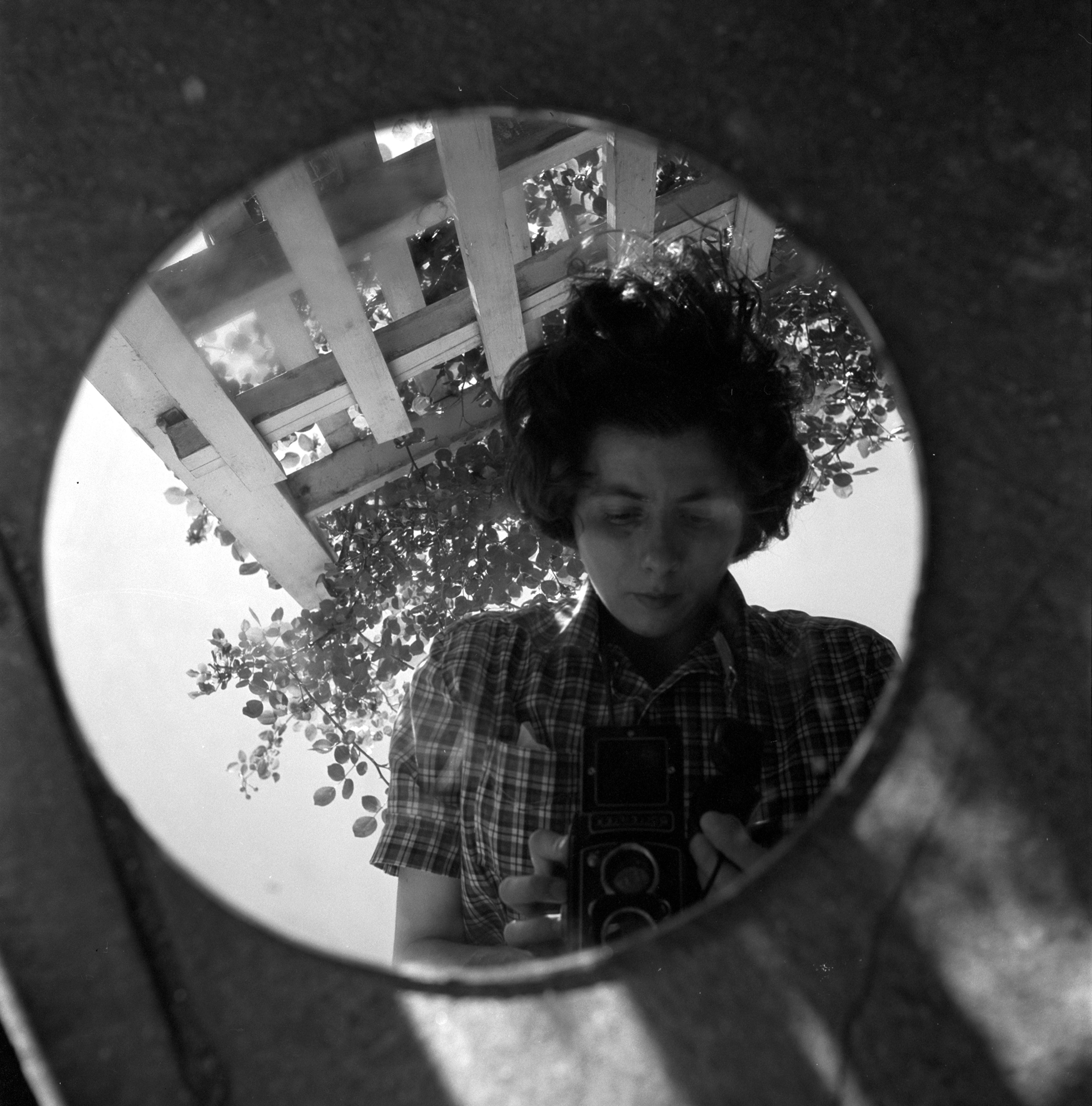
Vivian Maier (1926–2009) is one of the most enigmatic figures in the history of photography. Her contribution to the medium was discovered only after her death, yet she is now regarded as one of the greatest street photographers of the twentieth century.
Vivian Maier was born in the Bronx, New York, spent part of her formative years in France, and returned to the United States in 1951. Throughout her time in New York City, Maier began to photograph the world around her and develop a visual language through the use of her camera, all while working as a nanny.
Maier belonged to the invisible working-class at the height of the American dream, allowing her to only be a witness to it. It took a long time for her work to see the light and to be revealed. Nearly a century later, she figures in the history of photography alongside the greatest masters of the twentieth century.
Vivian Maier: Unseen Work explores Maier's oeuvre from the early 1950s to the mid-1980s through approximately 200 works, including vintage and contemporary prints, color and black-and-white photographs, Super 8 films, audio recordings, and contact sheets presented exclusively in the Tallinn exhibition. The exhibition offers a comprehensive view of this dense, rich, and multilayered archive, providing a fascinating testimony to post-war America and the darker side of the American Dream.
"The discovery of Vivian Maier's photographs after her death is one of the great serendipities in the history of the medium."
Theatre of the Ordinary
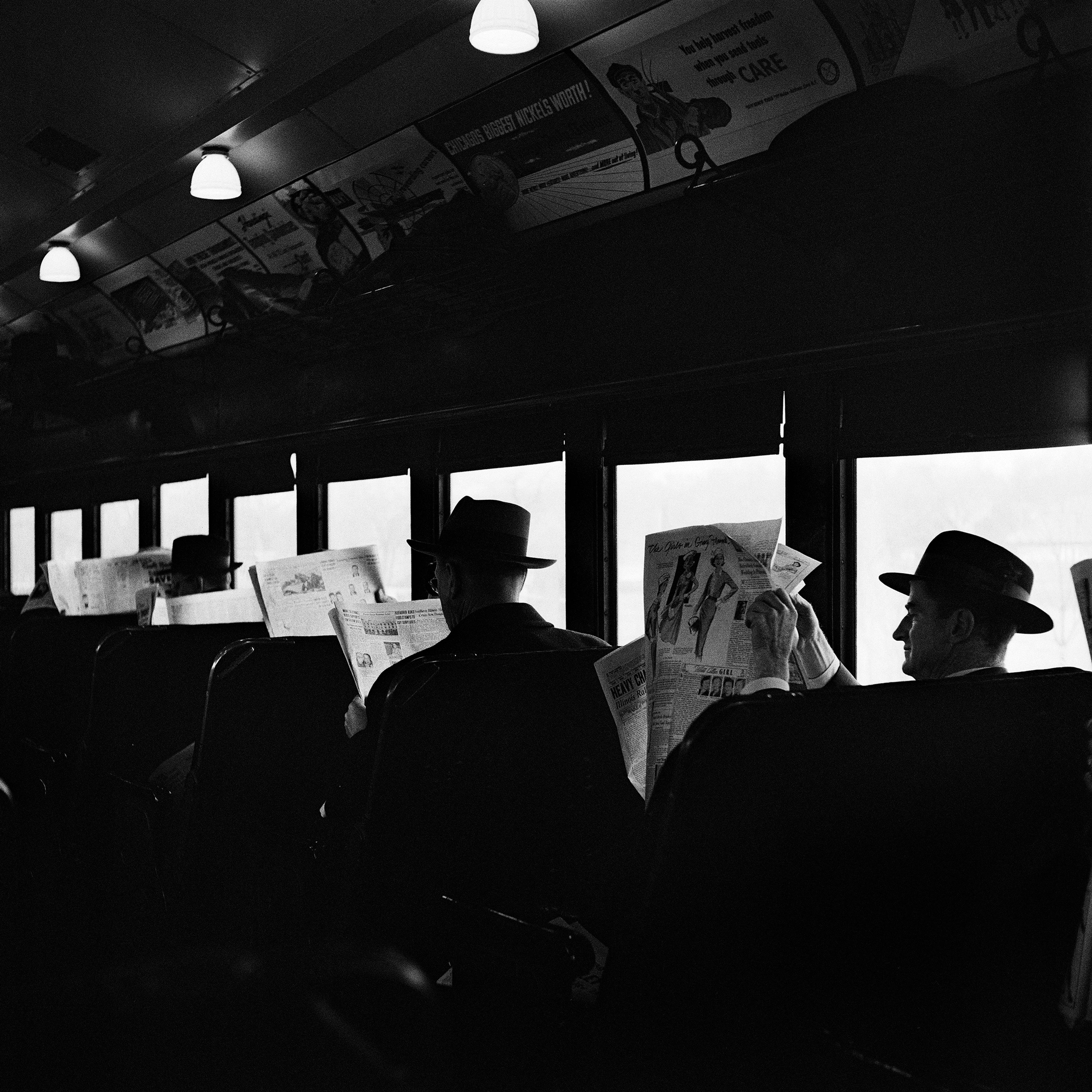
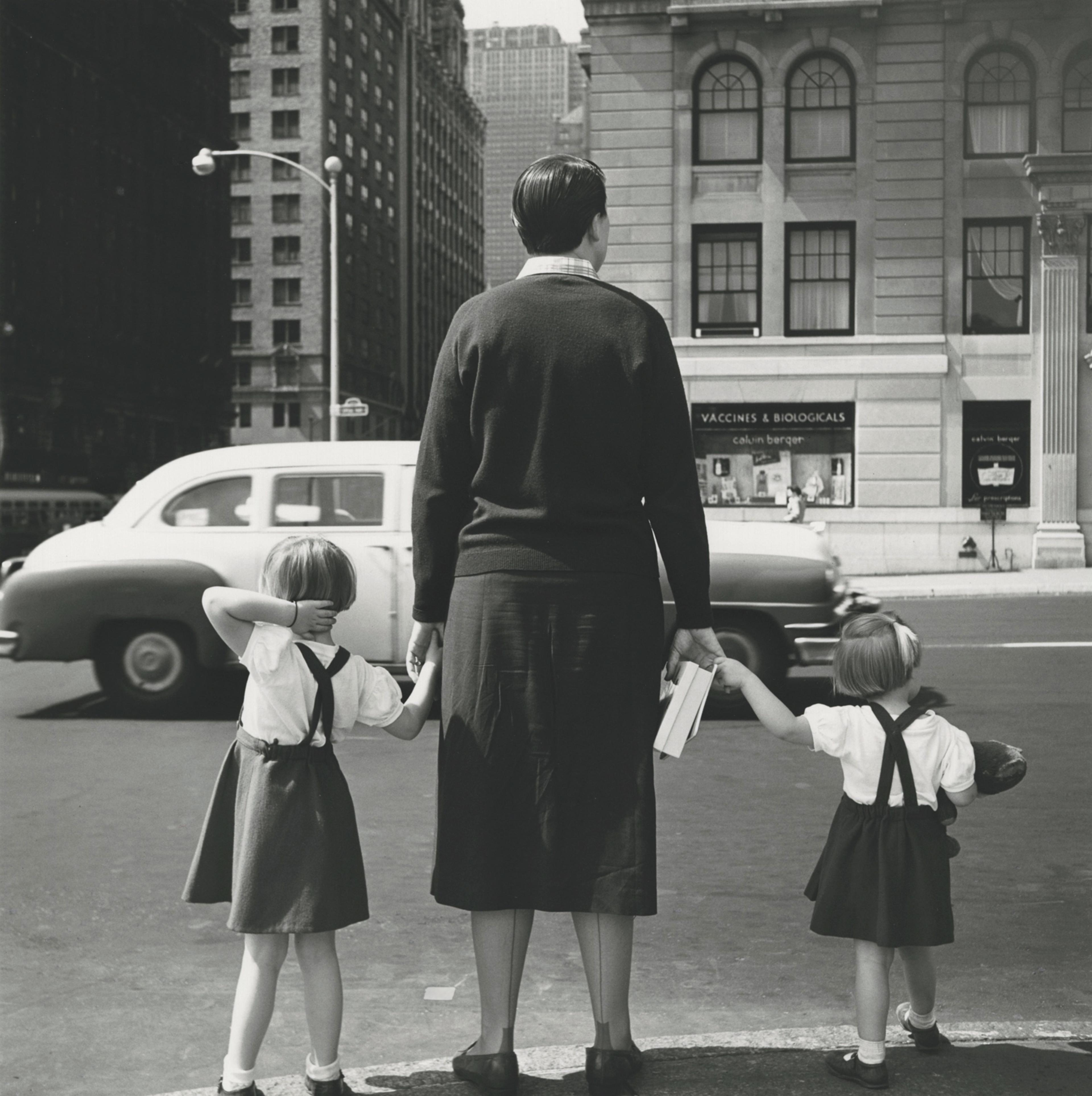
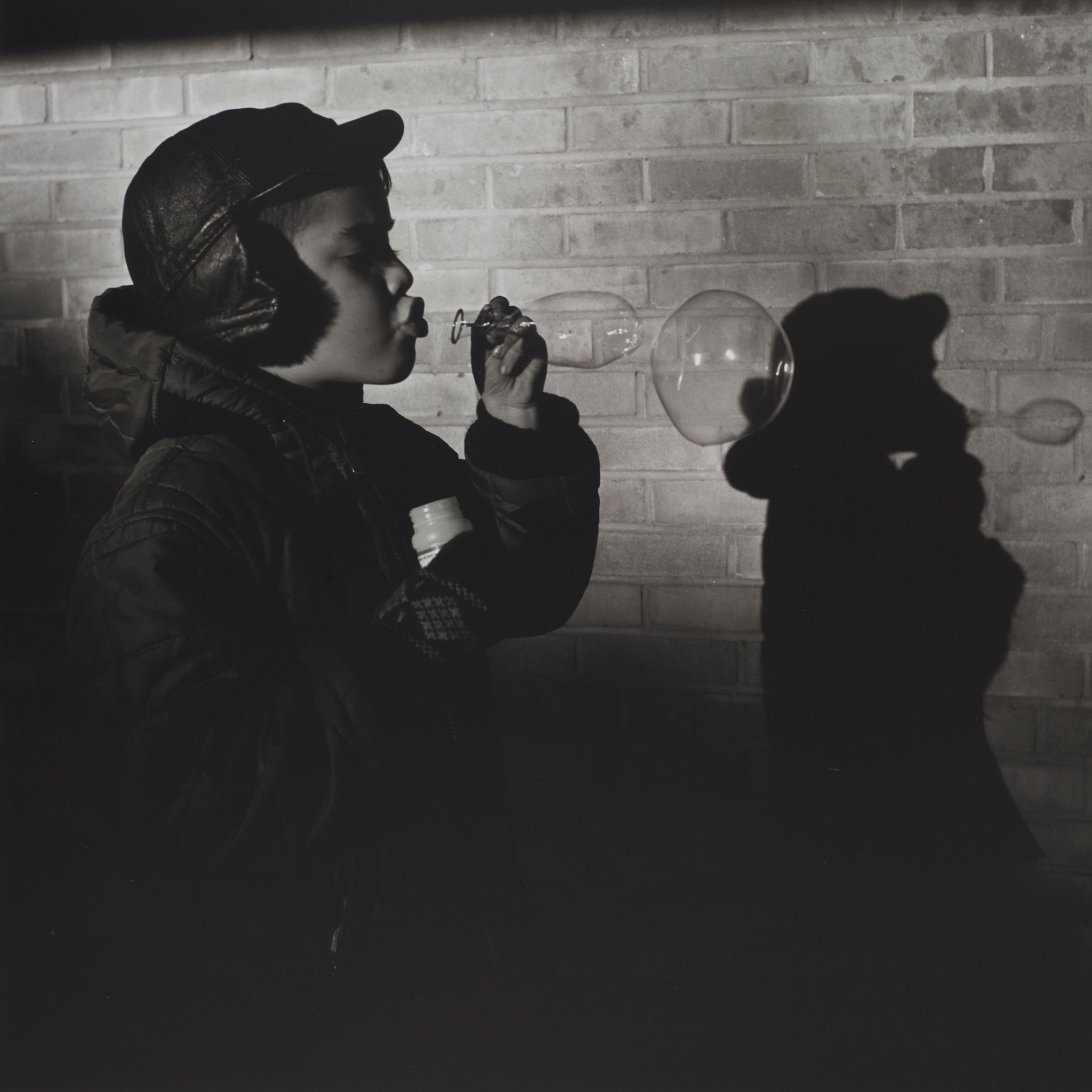
Vivian Maier, born in New York City in 1926, was an intensely private and decidedly unmaterialistic American street photographer and nanny. With the children she looked after by her side, she wandered the streets, observing and photographing the world around her, unknowingly creating an extraordinary visual archive of everyday life in post-war America.
Maier was most interested in the working-class neighborhoods of the cities in which she lived: first New York, between 1951 and 1956, then Chicago, where she died in 2009. The streets are an ideal place for observations because it is where so much life happens – she tirelessly explored these parts of the cities and streets from every angle, incessantly capturing the constant flow of people crossing paths for a fleeting moment. In this theatre of the ordinary, everyone unknowingly plays a role, becoming the protagonist, if only for a fraction of a second.
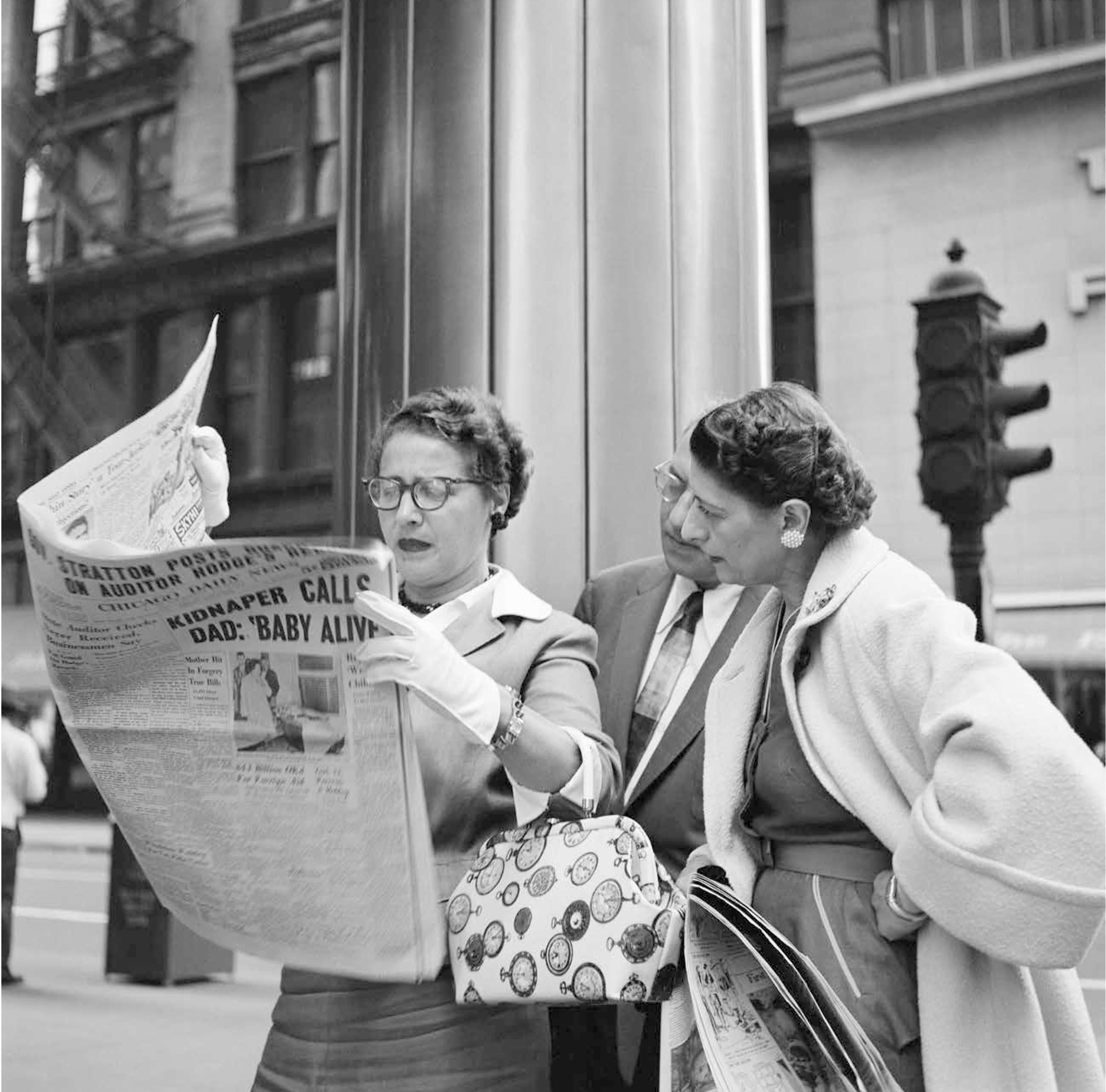
Maier observed life. She watched it happen, followed it, even hunted it, leaving nothing to chance. The scenes she photographed are often anecdotes, coincidences, lapses of reality, the residual moments of life to which no one pays attention, but which nevertheless became the subject of her narratives. Each of her images are situated in a place where the ordinary sheds its skin and becomes extraordinary.
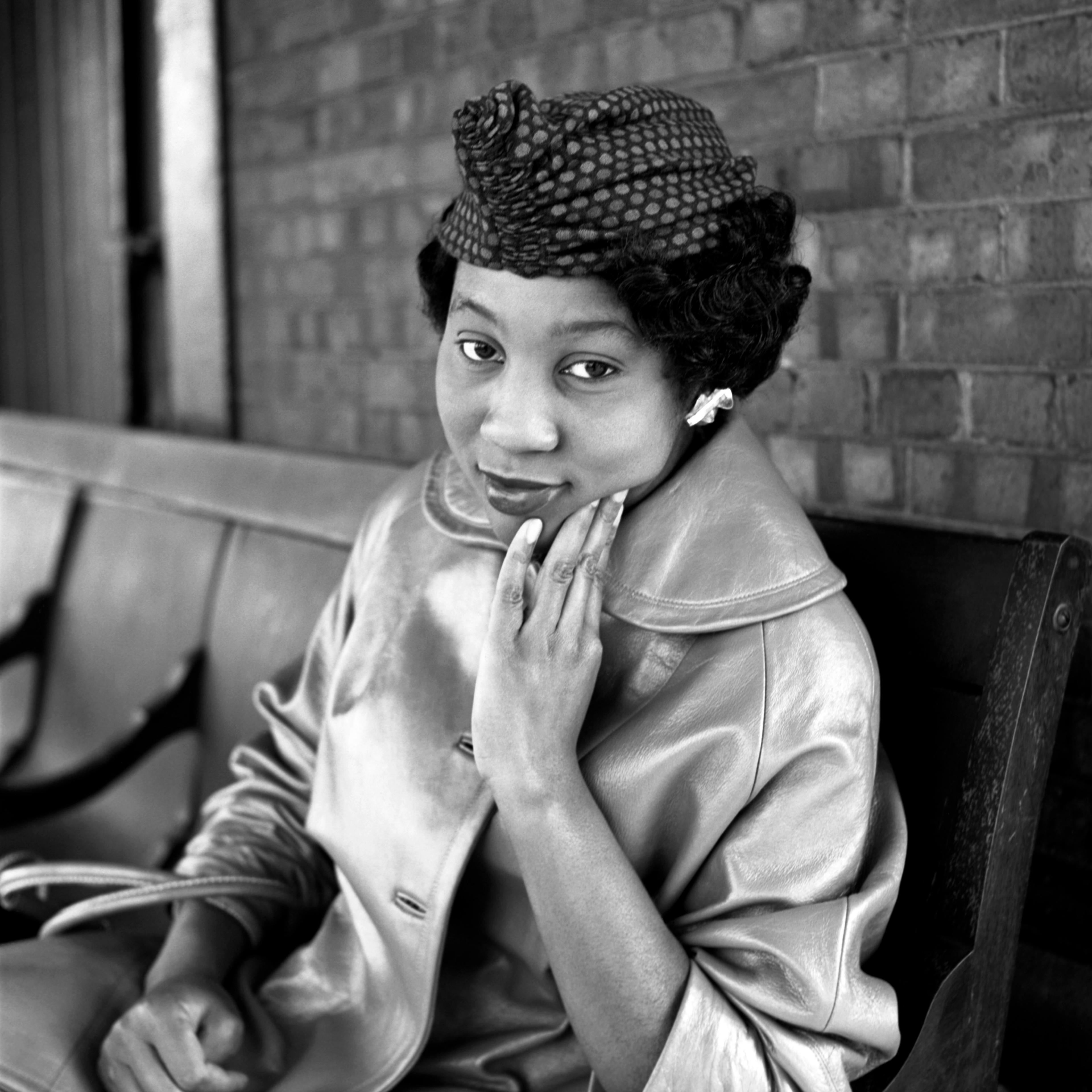
She photographed people who others might not have noticed, those who featured nowhere, relegated to life on the margins of a world to which they would never truly belong, in the shadows of that great utopia so in vogue at the time, the “American dream” and its dazzling glare. Each of these impassive, austere portraits are taken head-on, in the moment, before the face could be masked behind an outward expression that would turn the photo into no more than a staged image. Sometimes, she would deviate from the rule with a certain irony, photographing ladies of high society, suddenly bursting in on them and delighting in their offended reaction.
Unseen work
She took snapshots into the late 1990′s, eventually leaving behind a body of work comprised of over 120,000 negatives. Her passion for documenting the world around her also extended to a series of homemade documentary films and audio recordings.
In 2007, one of her storage lockers was auctioned off at a local thrift auction house on Chicago’s Northwest Side due to delinquent payments. It contained a massive hoard of negatives from throughout her lifetime which would eventually impact the world over and change the life of the man who brought her photography to the public eye, John Maloof.
Currently, Maier’s body of work is being archived and cataloged for the enjoyment of others and for future generations. John Maloof is at the core of this project, after reconstructing most of the archive. Now, with roughly 90% of her archive reconstructed, Vivian’s work is part of a renaissance in interest in the art of street photography.
About the exhibition
After acclaimed runs at Fotografiska New York and Fotografiska Shanghai, the exhibition Vivian Maier: Unseen Work makes its debut in the Baltic and Nordic region this September at Fotografiska Tallinn.
The exhibition is a co-production between Fotografiska and diChroma photography, created in collaboration with The Maloof Collection in Chicago and Howard Greenberg Gallery in New York.
The exhibition is supported by Women In Motion, founded by the Kering Group in 2015 to highlight inequalities in the field of culture and the arts and to change perceptions. Since then, the program has become a platform of choice for helping to change mindsets and leading conversations about the status of women in the arts and culture.
“Well, I suppose nothing is meant to last forever. We have to make room for other people. It’s a wheel. You get on, you have to go to the end. And then somebody has the same opportunity to go to the end and so on.”
Tune into Vivian Maier’s world
Media
ET:
„Maarja Loorents: oleme Vivian Maierit nimetanud selfide pioneeriks” – Johanna Mängel, Maarja Loorents. Klassikaraadio / ERR, 15.09.2026
„Stuudios on…” – Maian Kärmas, Maarja Loorents. Vikerraadio / ERR, 17.09.2026
„Liina Raud: Vivian Maier oli sündinud talent” – Liina Raud, Juhan Kilumets. ETV „Terevisioon” / ERR, 18.09.2026
ETV „Aktuaalne Kaamera” – Aleksandra Männart, Maarja Loorents. ETV / ERR, 18.09.2026
„Fotograaf Erik Prozes: Vivian Maieri töödes on näha mängulisust” – Erik Prozes, Kirke Ert, Taavi Libe. Vikerraadio / ERR, 28.09.2026
„ARVUSTUS ⟩ Vivian Maieri näitus Fotografiskas: ajatu kvaliteet, mis torkab kohe silma” – Jüri Vendelin, Postimees, 30.09.2026
„Inimesest ja sellest, kuidas ta paistab“ – Hans Alla, Sirp, 02.10.2026
FI:
Kahdeksan taidevinkkiä syksyyn – Minna Rinta-Tassi, YLE, 12.09.2026
RU:
Снимала втайне от всех: в Таллинне покажут работы Вивиан Майер, прославившейся после смерти – Aleksandra Männart, Anne Morin, Maarja Loorents. ETV+ Актуальная камера / ERR, 18.09.2026
Events
The events at Fotografiska are vibrant and unique, and bring the exhibitions to life. From live music and performances to intimate discussions and dinners, our programming invites the community to gather and celebrate photography.
More events
ENG, FIN, EST, RUS
Free Guided Tour at „Vivian Maier. Unseen Work“

On Fridays exhibitions open until midnight
Fotografiska Night Shift

4.09, 3.10, 6.11, 5.12
House of Palagan: late-night cabaret with Kaisa Ling

8 Oct 2026 – 18:00
Exhibition opening: double tour with Heikki Leis & Šejla Kamerić

9 Oct 2026 – 19:00
Cocktails & Conversation: Šejla Kamerić & Elise Rohtmets

10 Oct 2026 – 18:00
UUSMUS 2026
Shop the exhibition
Available online and at the museum shop

